


A Letter to the Church, Part Twenty-Two: He Knew How to Explain What He Believed, but Some in the Church Seem Not to Have Learned It
A Letter to the Church, Part Twenty-Two: He Knew How to Explain What He Believed, but Some in the Church Seem Not to Have Learned It
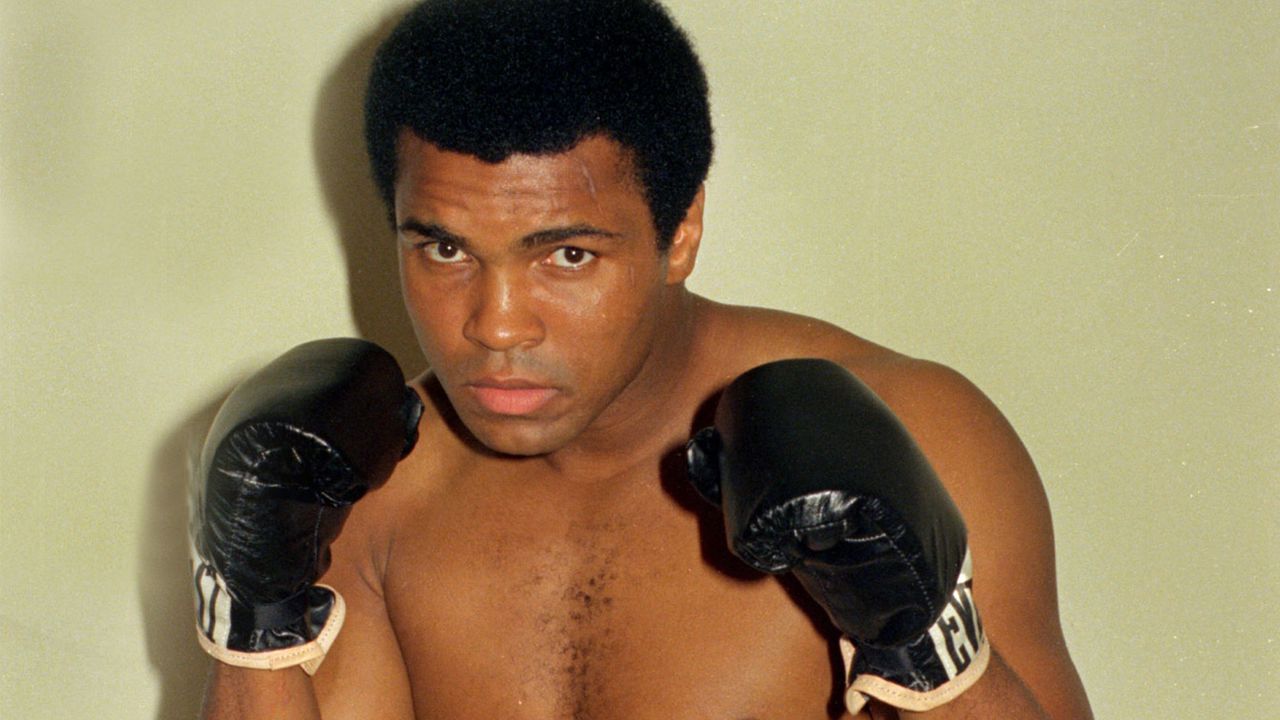
“I am the greatest. I know it, and I have no doubt about it. There is nothing wrong with others knowing it too. I don’t like the hypocrisy of false humility, pretending to be modest so that no one accuses me of being proud. Listen and let me tell you: I have wrestled with crocodiles and other great fish of the sea, and I truly defeated them. I have tied up lightning and thrown thunder into prison, where it stays. I killed a rock, injured stones, and sent bricks to the hospital, where they remain. I am so bad that I make medicine itself sick. How could you ever play with me?”
These were the words of Muhammad Ali, the world-famous boxer, to his opponents. By the time a fight began, they had already decided their own fate, and he would rain punches on them until they lay flat on the ground and forgot how to get up.
You may be wondering why I begin with the words of Ali. You might even ask, “We know this man as a believer. Has he run out of Scripture, that he gives us examples of people who do not speak about God?” Not at all! I have not run out of Scripture. Instead, let me add a short testimony. Over the years, many people have asked me the reasons for what I believe and for my hope in Jesus. Often I found my heart overwhelmed with anger, and sometimes it even showed on the outside, perhaps because I thought they were mocking my faith. Yet although their questions hurt me, when I reflected honestly, I found that I could not clearly explain the reasons for what I believed. That changed when I read the Scripture that says: “but in your hearts set Christ apart [as holy—acknowledging Him, giving Him first place in your lives] as Lord. Always be ready to give a [logical] defense to anyone who asks you to account for the hope and confident assurance [elicited by faith] that is within you, yet [do it] with gentleness and respect” (1 Peter 3:15, AMP). Are you also one of those who get angry when asked, and yet cannot explain the reasons for what you believe? I used to be one of them.
In 2022, as I was completing my undergraduate research project, I read my findings carefully and attentively, to the point that I could clearly explain everything they contained and answer my lecturers’ questions without doubt. Returning to the words of Ali above, there is no doubt that he was skilled at speaking about and affirming what he did. He spoke about what he believed so confidently, without hesitation, that his opponents had decided their fate before they ever faced him.
Conclusion and Lessons
This is not only a problem of today. It may be that, even in earlier times, churches did not focus on teaching believers the foundational beliefs of the Kingdom of God. This has been passed down from generation to generation, so that even today, believers still struggle to explain the reasons for their hope. Even those who are asked such questions become angry, claiming that the people asking are unbelievers whose only aim is to contradict others. Although it may seem that I am giving churches homework in this article, I want us to remind one another of something: even if these things are not taught in our gatherings, that is no excuse for not knowing them. Even when churches are silent, neither the Bible nor the Holy Spirit is silent. As I conclude: if Muhammad Ali could clearly explain the sport he played, and do so without hesitation; if you can clearly explain what you studied without hesitation; if you can clearly explain your work in a way others understand, then what stops you from clearly explaining the reasons for what you believe